
The psychology behind risk Understanding the gambler’s mindset
The Allure of Gambling
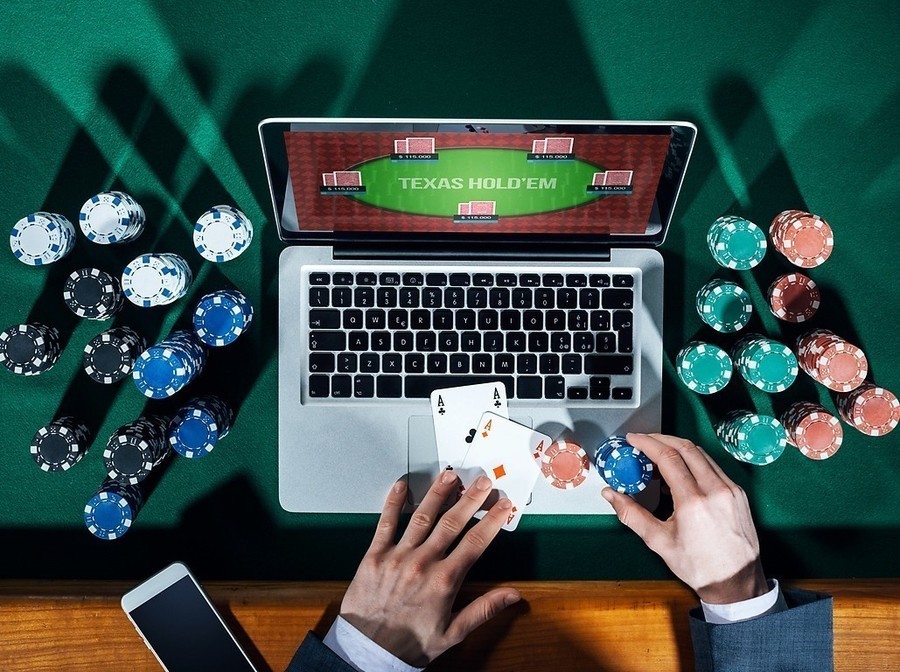
The world of gambling is captivating for many, driven by the excitement of potential wins and the thrill of uncertainty. At its core, gambling taps into psychological mechanisms that amplify the desire for risk-taking. Factors such as adrenaline, anticipation, and the hope of achieving a life-changing jackpot can create an intoxicating environment where rational thought often takes a backseat. The gambler’s mindset frequently becomes a complex interplay of emotional highs and lows, making the act of gambling far more than a mere game of chance. Many individuals explore various avenues, including online casino platforms, which further complicate the allure of risking money in hopes of a win.

This emotional rollercoaster is one reason why individuals may find themselves drawn to casinos, betting apps, or online poker tables. The immediate gratification of a win can reinforce the behavior, leading to a pattern of risk-seeking that overshadows logical financial decision-making. Gamblers often become enamored with the thrill of the game, losing sight of the potential consequences of their actions.
The Role of Cognitive Biases
Cognitive biases play a significant role in shaping the gambler’s mindset. For instance, the illusion of control leads players to believe that they can influence the outcomes of games based on skill, even in inherently random situations like slot machines or roulette. This misguided confidence can drive individuals to wager more, convinced that they are on the verge of a significant win.
Another common bias is the gambler’s fallacy, where individuals believe that past outcomes will influence future results. A player may think that after a series of losses, they are “due” for a win, prompting them to bet larger amounts. These cognitive distortions complicate the decision-making process, often leading to repeated losses and a deepening cycle of risk-taking.
The Impact of Social Influences
Social factors significantly influence gambling behavior, with peer pressure and societal norms contributing to the gambler’s mindset. Many people are introduced to gambling through friends or family, establishing a social framework that normalizes risk-taking. The culture surrounding gambling can create an environment where excessive betting seems acceptable, or even encouraged, further entrenching individuals in a risky lifestyle.
Moreover, social media and online forums amplify these influences by glorifying gambling wins and downplaying losses. Individuals may compare themselves to others who appear to be successful gamblers, leading to an inflated perception of their own capabilities. This social comparison can perpetuate risky behaviors as individuals strive to match or exceed the perceived success of their peers.
Emotional Regulation and Gambling
For some, gambling serves as a form of emotional regulation. Individuals may seek out risk as a way to escape stress, anxiety, or boredom, using the excitement of betting to temporarily alleviate negative feelings. This coping mechanism can become addictive, as the thrill of gambling may overshadow the underlying issues that prompted it in the first place.
Furthermore, the highs experienced during wins can provide a sense of euphoria, leading individuals to chase these feelings at the expense of their financial stability. Over time, this reliance on gambling for emotional relief can create a vicious cycle that further entrenches individuals in their gambling habits.
Understanding the Resource
For those seeking to understand the complexities of gambling behavior and the psychology behind risk, this website serves as an invaluable resource. It provides insights into judicial selection and the broader legal landscape surrounding gambling. The aim is to facilitate better decision-making and encourage responsible gambling practices.
Visitors to the site can access a wealth of information designed to deepen their understanding of the legal and psychological aspects of gambling. By fostering awareness and education, the site hopes to empower individuals to navigate the world of gambling with a more informed perspective, ultimately promoting healthier behaviors.