
Understanding the psychology behind gambling Why we take risks in casinos
The Allure of Risk
The thrill of risk-taking is a fundamental aspect of human psychology, and this is particularly evident in gambling. Casinos are designed to evoke excitement and a sense of adventure, drawing people in with the promise of potentially life-changing rewards. This rush often leads individuals to seek out more risk, especially if they believe they are playing at the best online crypto casino, creating a cycle that can be hard to break.
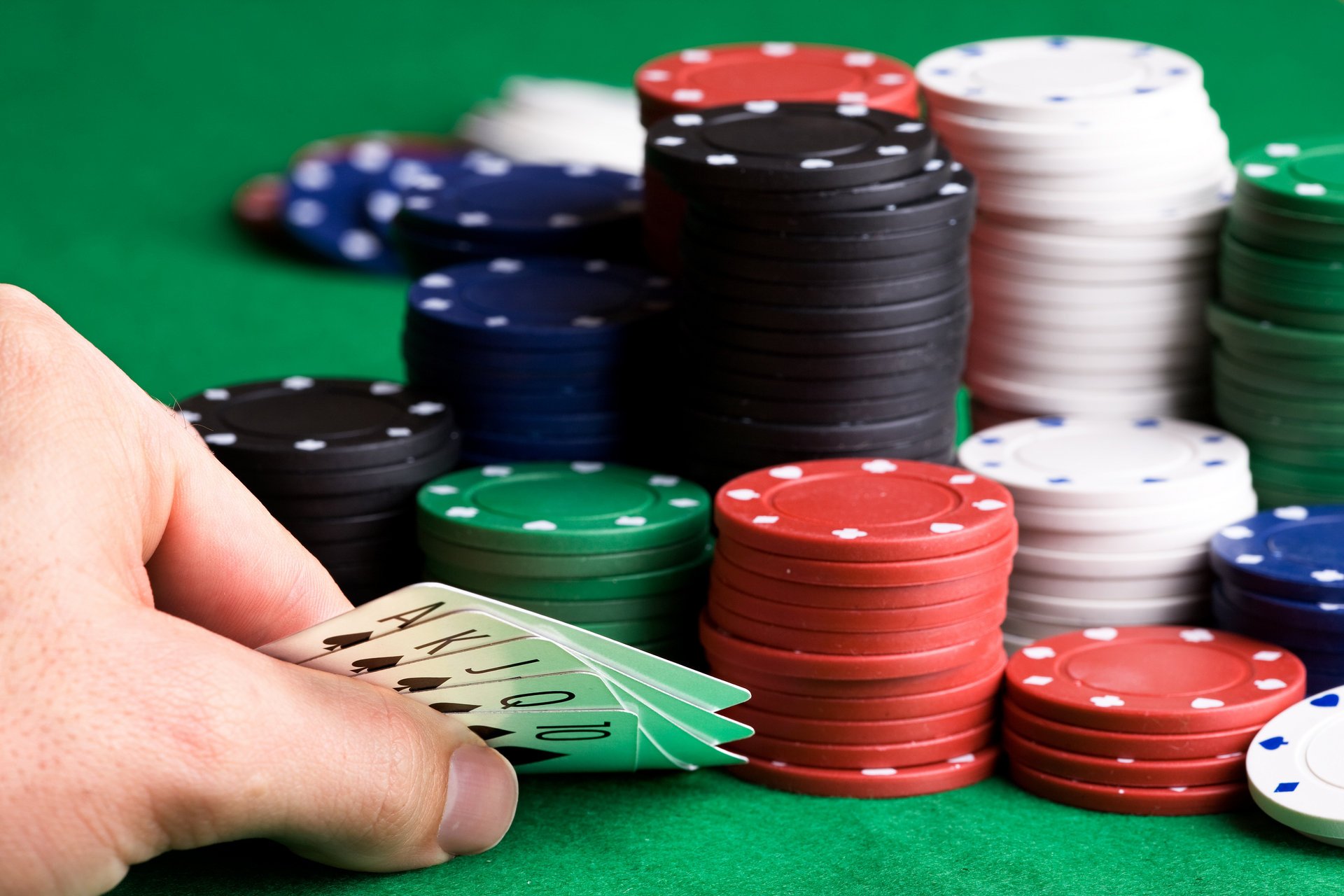
The prospect of winning big can cloud judgment and lead individuals to overlook the inherent risks involved. Many gamblers believe in their ability to influence outcomes through skill or strategy, even in games predominantly based on luck. This cognitive bias encourages a persistent engagement with gambling, despite the statistical reality that the house generally holds the advantage.
The Role of Emotion in Gambling
Emotions play a significant role in gambling behavior. Many individuals gamble as a means of escaping stress or anxiety, seeking solace in the excitement of the casino environment. This emotional relief can be especially appealing during challenging times, leading to impulsive decisions that prioritize short-term gratification over long-term consequences.
Moreover, the emotional highs and lows experienced in gambling can become addictive. Winning can trigger feelings of euphoria, while losing can evoke despair. This emotional rollercoaster can create a dependence on the gambling experience itself, further encouraging individuals to take risks they might otherwise avoid.
Cognitive Biases at Play
Several cognitive biases contribute to why people take risks in casinos. The illusion of control is a common phenomenon where gamblers believe they can influence outcomes, particularly in games like poker or blackjack. This illusion can lead to overconfidence, resulting in increased risk-taking behavior as players become convinced of their superior abilities.
Additionally, the gambler’s fallacy—the belief that past events affect future outcomes—can mislead players into thinking that they are due for a win after a losing streak. This distorted reasoning can perpetuate a cycle of gambling, as individuals continue to place bets based on flawed logic rather than statistical probabilities.
The Social Aspect of Gambling
Gambling is often a social activity, and the influence of peers can significantly affect individual risk-taking behavior. Group dynamics in a casino setting can create a sense of camaraderie that encourages people to gamble more than they would on their own. This social reinforcement can validate risky decisions, making individuals feel part of a larger community.
Moreover, shared experiences, whether winning or losing, can intensify the emotional stakes involved in gambling. As friends celebrate victories together, the emotional connection to the game deepens, often leading to repeated visits to the casino and increased financial risk.

Enhancing User Experience at Syntouchinc.com
Syntouchinc.com aims to provide valuable insights and support related to gambling psychology and behavior. By understanding the complexities of why we take risks in casinos, users can make more informed choices about their gambling habits. The site also addresses technical issues, ensuring visitors can access critical resources without disruption.
Ultimately, Syntouchinc.com strives to enhance the user experience by offering a reliable platform for information and support. By focusing on user needs and addressing challenges, the site helps foster a better understanding of gambling psychology, enabling individuals to navigate their gaming experiences more responsibly.